Walk into a busy screen-print studio and the first thing that hits you is the smell — a mix of emulsion, ink and the faint chemical tang of the washout booth. The second is the noise: the slap of a squeegee, the hiss of a pressure hose, the rhythmic thunk of the press arm coming down. It looks like chaos to an outsider, but every motion is part of a sequence refined over decades. Screen printing is one of the oldest reproduction methods still in daily commercial use, and watching it done well is a small lesson in craft.
From artwork to mesh
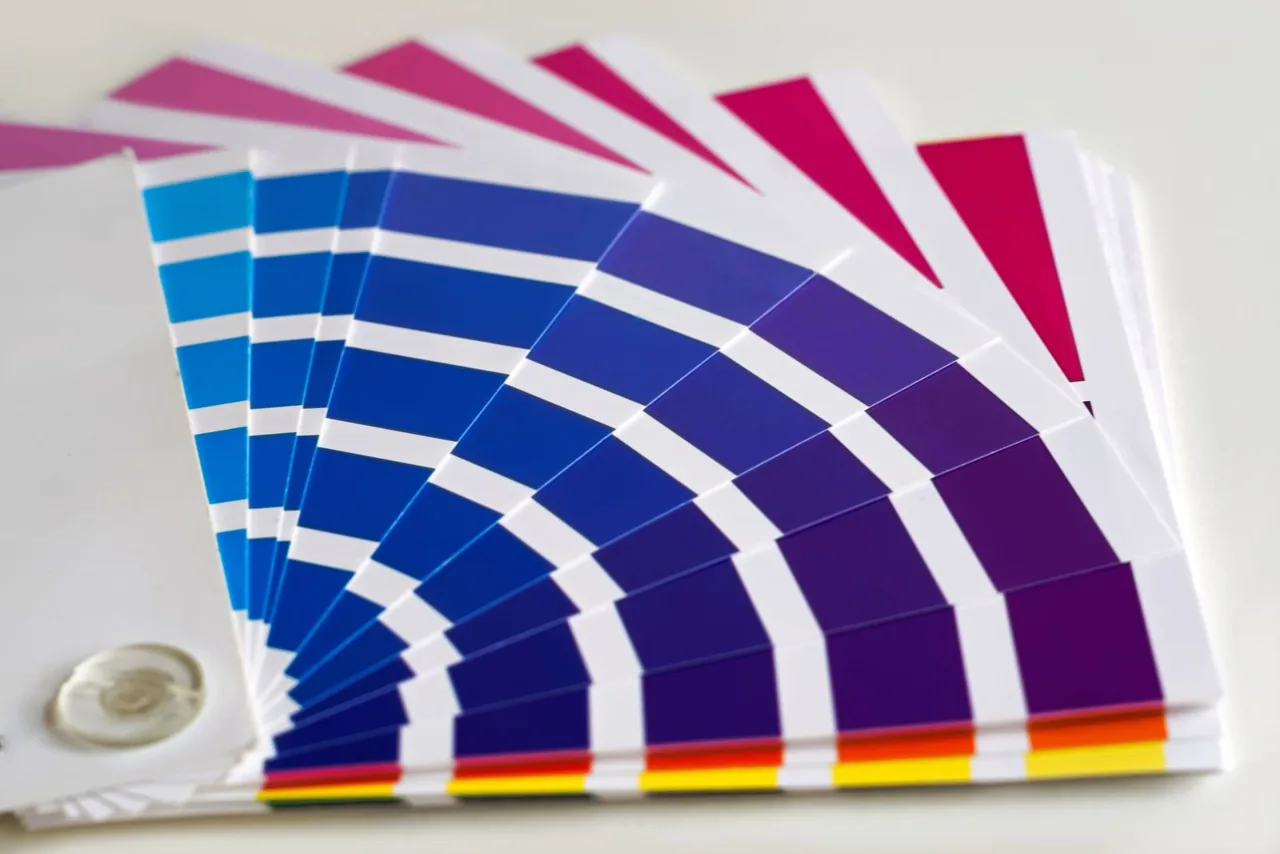
Everything begins with the screen itself — a fine mesh stretched drum-tight over a frame and coated with light-sensitive emulsion. The artwork, separated into individual colours, is printed onto film and burned into the emulsion under bright light. Where the design blocks the light, the emulsion stays soft and washes away, leaving an open stencil. A single multi-colour design might require four, five or six separate screens, each one registered to the others within a fraction of a millimetre.
Registration is where amateurs fall down. If one screen sits even slightly off, the colours misalign and the image looks blurred or doubled. Experienced printers spend as much time setting up as they do actually printing, because a careful setup saves a ruined run later.
The pull
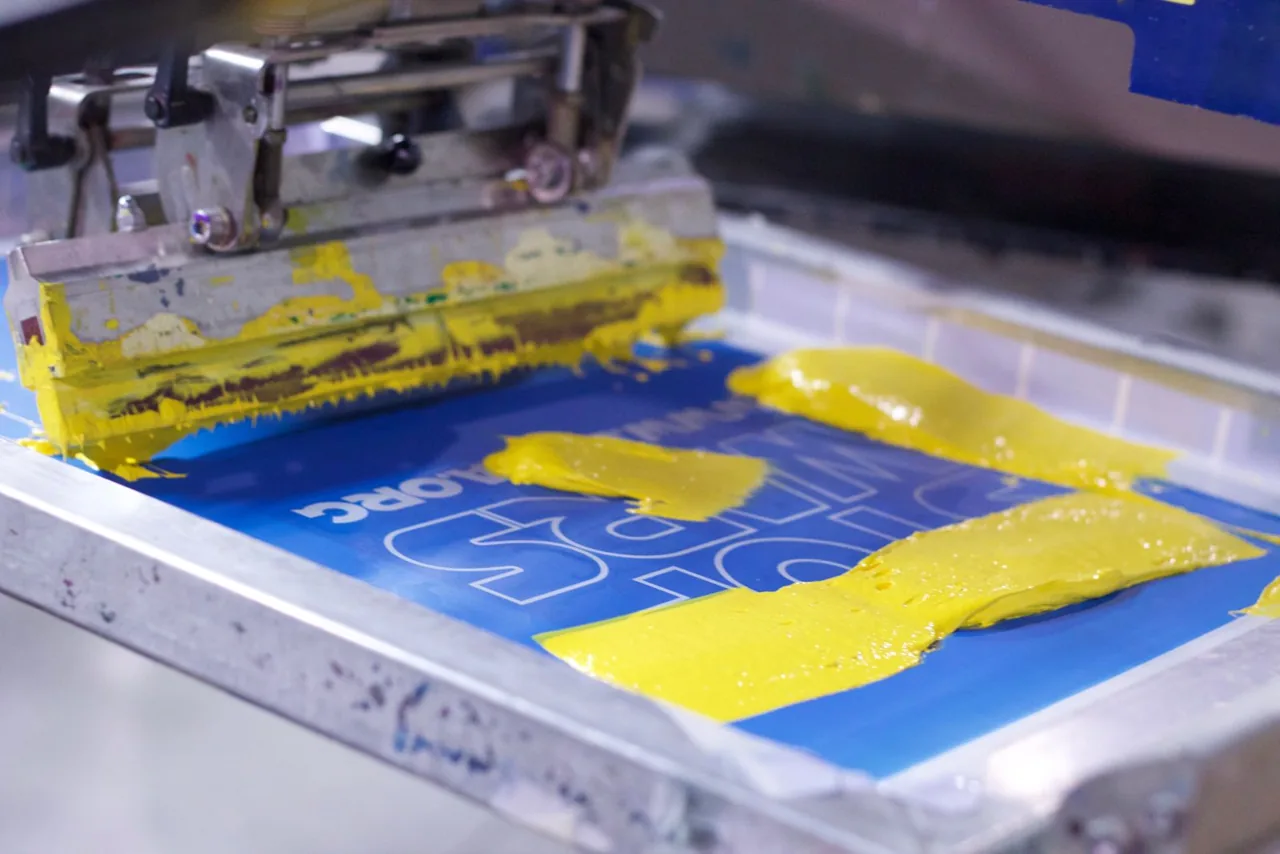
Then comes the print stroke itself. The squeegee drags ink across the mesh and forces it through the open stencil onto the shirt or paper below. It sounds simple, but angle, pressure and speed all change the result, and a good printer reads each pull the way a barista reads an espresso shot. Too light and the ink looks patchy; too heavy and it bleeds.
Between colours, garments cure under a flash dryer so the next layer does not smear. By the end of a long run the printer has performed the same motion hundreds of times with near-identical results. That consistency, achieved by hand, is exactly why screen printing has outlasted so many slicker technologies — and why a well-made print still feels like an object somebody actually touched.