Visit enough working studios and you start to notice a pattern. The kit varies wildly — some are crammed with machinery, others are almost monastically bare — but nearly everyone, sooner or later, talks about the light. Where it comes from, what colour it is, how it changes through the day. For people whose entire job is judging how things look, the quality of light is not a comfort issue. It is a tool.
The trouble with judging colour
The core problem is that colour is not fixed. The same print looks one way under warm tungsten, another under cool fluorescent, another again in north-facing daylight. A designer who approves a colour under bad lighting may discover it looks completely wrong everywhere else. This is why serious studios obsess over consistent, neutral light — they need a stable reference, a single honest condition against which to judge.
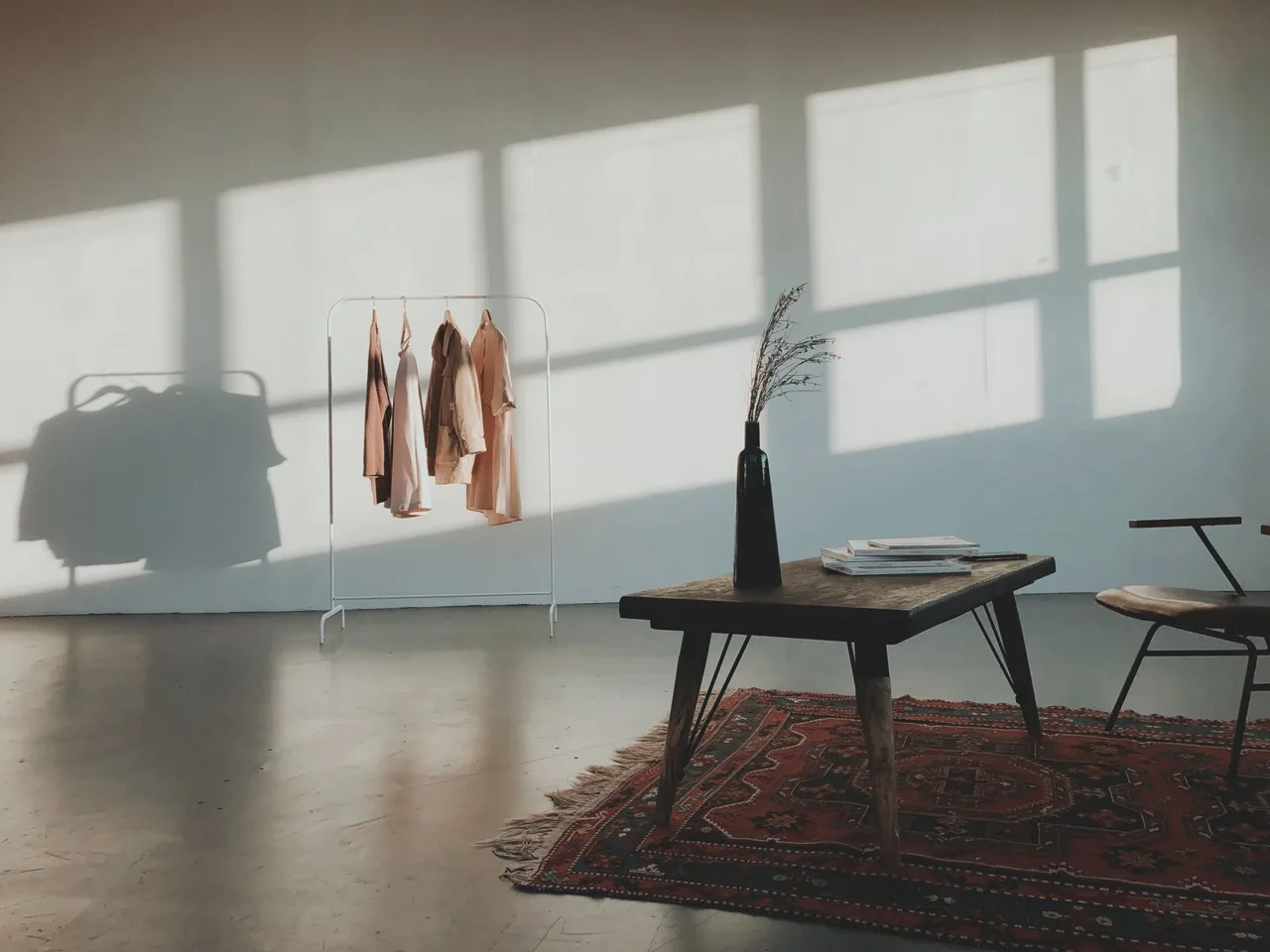
North-facing daylight has long been the painter's and printer's favourite, because it is soft, steady and relatively cool without the harsh swings of direct sun. Where that is not available, designers turn to daylight-balanced lamps chosen specifically to render colour faithfully rather than just to brighten the room.
Light and the working mood
Beyond accuracy, light shapes how a studio feels to work in. Flat overhead strip lighting flattens everything and dulls the spirit; a mix of good daylight and warm task lamps makes long hours bearable. Many makers arrange their day around the light, doing colour-critical work in the bright midday hours and saving routine tasks for the evening.
It sounds almost romantic, but it is deeply practical. The whole craft rests on seeing accurately, and you cannot see accurately under light you cannot trust. Get the light right and everything else gets a little easier. Get it wrong and you will be fighting your own eyes all day.